

Poultry & Livestock Farm Lighting: Why Ammonia-Resistant Extruded Tubes Are Mandatory
To put it bluntly: designing a light for use in a commercial poultry or swine barn is another animal altogether from warehouse lighting. You are literally suspending electronics in a bath of potent corrosive chemicals. You are making a huge mistake if you just slap some generic waterproof cover over your LEDs. Whether a fixture actually survives this brutal environment comes down entirely to the extruded plastic profile surrounding it.
The Ammonia Trap That Fries Boards
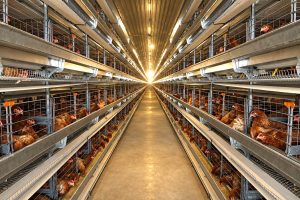
Animal waste produces relentless amounts of ammonia. This gas is a silent killer. It eats through cheap plastics in months, turning them brittle and yellow. Worse, ammonia vapor is fine enough to penetrate weak seals. (I once visited a large-scale swine facility where an entire row of generic fixtures had to be scrapped after just eight months. The ammonia vapor had bypassed the cheap end-caps and literally corroded the copper right off the PCBs.) This is exactly why seasoned agricultural contractors now strictly demand ammonia-resistant PC or PMMA extruded tubes. A premium extruded housing creates a solid chemical barrier, keeping corrosive gases far away from your expensive chips.
Surviving the Power Washer (IP69K)
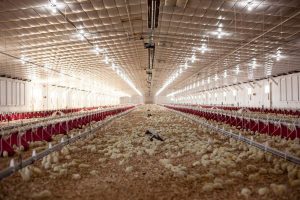
Between flocks or herds, these barns are aggressively sanitized. And we’re not talking about some low-temperature, low-pressure chemical washdowns.
Fundamentally, an IP65 rating is no match for a direct strike from an industrial pressure washer. Modern farms demand heavy-duty, tubular extruded tri-proof kits rated for IP67 or IP69K. A perfectly smooth, cylindrical seamless extrusion means there are zero crevices for bacteria, dirt, or high-pressure water streams to hide in. The water hits it, cleans it, and rolls right off.
Light Quality and Animal Stress
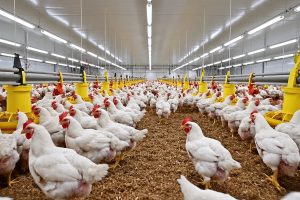
Poultry are especially hyper-sensitive to light. Harsh glare or flickering makes birds so stressed that they peck at one another and grow poorly.
This is where high-quality extruded diffusers earn their keep. The ratio of transmission to diffusion is precisely tuned on a premium extrusion to deliver a soft yet uniform wash of light. More relaxed birds convert feed better, leading to higher yields for farmers.
When lighting fails in livestock facilities, animals show measurable stress and managers experience considerable disruption. Ultimately, building a fixture that truly stands up to daily cleaning in agricultural facilities means working with a competent extrusion manufacturer to source housings that are washdown-ready and chemically resistant.